
| Next | Previous | Index | Tellout Home |
54. Earth Harvest Sickle
Revelation 14.15-20
"Then another angel came out of the temple and called in a loud voice to him sitting on the cloud, 'Take your sickle and reap, because the time to reap has come, for the earth's harvest is ripe.' So the one seated on the cloud swung his sickle over the earth and harvested it. An angel came from heaven's temple, and he, too, had a sharp sickle. Another angel, in charge of the fire, came from the altar and called in a loud voice to the one with the sharp sickle, 'Take your sharp sickle and gather the grape clusters from the earth's vine because its grapes are ripe.' The angel swung his sickle upon the earth, gathered its grapes, and threw them into the great winepress of God's wrath. They trampled them in the harvest winepress outside the city, and blood flowed from the press, rising as high as the horses' bridles for a distance of sixteen hundred stadia (about 180 miles)." (Revelation 14.15-20) ✞
Sickle
 This Revelation passage depicts earth's judgment in terms of a harvest sickle. The sickle was a serrated or toothed metal or stone for cutting grass, hay, or grain. Interestingly, the serrated edge is not a modern adaption for such discovered jagged-edged sickles in Iraq date from 3,000 BC. In Joel 3.13, when the prophet wishes to say judgment is near, he calls out, "Swing the sickle, for the harvest, is ripe. Come, trample the grapes, for the winepress is full and the vats overflow; so great is their wickedness!" "As soon as the grain is ripe," says Jesus in Mark 4.29, "he puts the sickle to it because the harvest has come." In the wheat and tares parable of Matthew 13.24-43, Jesus also used the harvest sickle as a picture of judgment. The vision speaks of an angel taking the sickle, swinging it over the earth, and harvesting it. ✞
Winepress
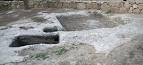 This passage on harvesting is another image linking to the winepress. A typical ancient winepress built of brick or as a trough hollowed out in the rock. Workers laid the grapes in the upper bath and then crushed them with their feet, and juice flowed down a connecting channel into a lower container. ✞
Harvest Wine
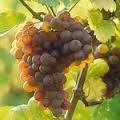
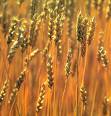 God's judgment is like grape harvesting with a sharp sickle and trampling. In Lamentations 1.15, we read, "The Lord has rejected all the warriors in my midst. He has summoned an army against me to crush my young men. In his winepress, the Lord has trampled virgin daughter Judah." "He has summoned an army against me" may also mean "he has set a time for me." Isaiah 63.3 follows the same theme, "I have trodden the winepress alone; from the nations, no one was with me. I trampled them in anger and trod them down in wrath, their blood spattered my garments, and I stained all my clothing." ✞
Jerusalem's Judgment
 "The harvest winepress" operated outside Jerusalem City. Many Jewish persons believed in the Old Testament and the intertestamental books that Gentiles would be brought to Jerusalem and judged. Joel 3.2,12 pictures all the nations gathered for judgment between Jerusalem and the Mount of Olives in Jehoshaphat's Valley, "I will gather all nations and bring them down to Jehoshaphat's Valley. There I will put them on trial for what they did to my inheritance, my people Israel because they scattered my people among the nations and divided up my land." Note that "Jehoshaphat" means "the Lord judges." Zechariah 14.1 has a similar account of the Gentiles' last attack on Jerusalem and their judgment, "A day of the Lord is coming, Jerusalem, when your possessions will be plundered and divided up within your very walls." ✞
Massive Blood Harvest
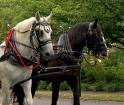 The tide of justice flows like a blood tsunami from the Revelation winepress for a sixteen hundred stadia distance! "Sixteen hundred stadia" or 180 miles is a very long way! Revelation says that the blood rose "as high as the horses' bridles," that is five or six feet from the ground and spread for a distance of sixteen hundred stadia or about "180 miles." This distance is almost exactly the length of Palestine from north to south, about one hundred and eighty miles. The Son of Man and an angel reaps this massive blood harvest. The "one like the son of man" is the risen and victorious Lord, operating the harvest winepress. ✞
Judgment Tide
 In contrast, the angel with the sharp sickle reaps the harvest of those judged. This judgment tide would flow over and include the whole land of Israel. The terrible word picture symbolically describes the judgment's completeness. ✞
"Earth Harvest Sickle"
by Ron Meacock © 2021
| ^Top Page | Next | Previous |